

The Shneck: Understanding the Cervico-Shoulder Complex
(Shoulder + Neck = Because that's how it works)
Shoulder patients are instinctively treated as shoulder patients.
That instinct is wrong more often than most clinicians realize.
This course is built around what happens when you finally look upstream.
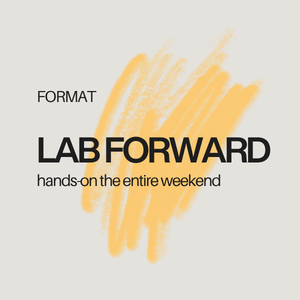
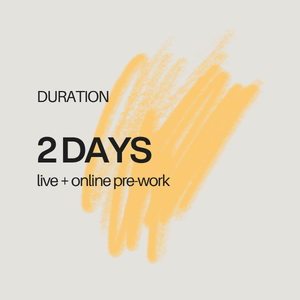
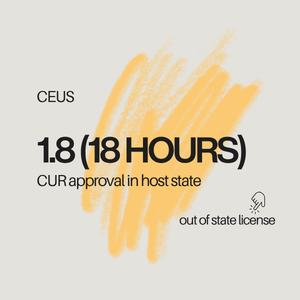
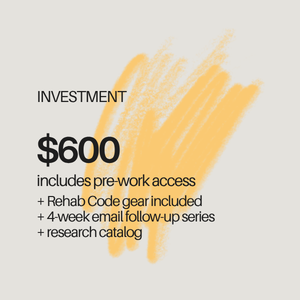
2 days · live weekend 1.8 CEUs · 18 contact hours Lab Forward Format $600 investment
You've been treating shoulders long enough to know when something isn't adding up.
That delay isn't a knowledge gap. It's an examination gap.
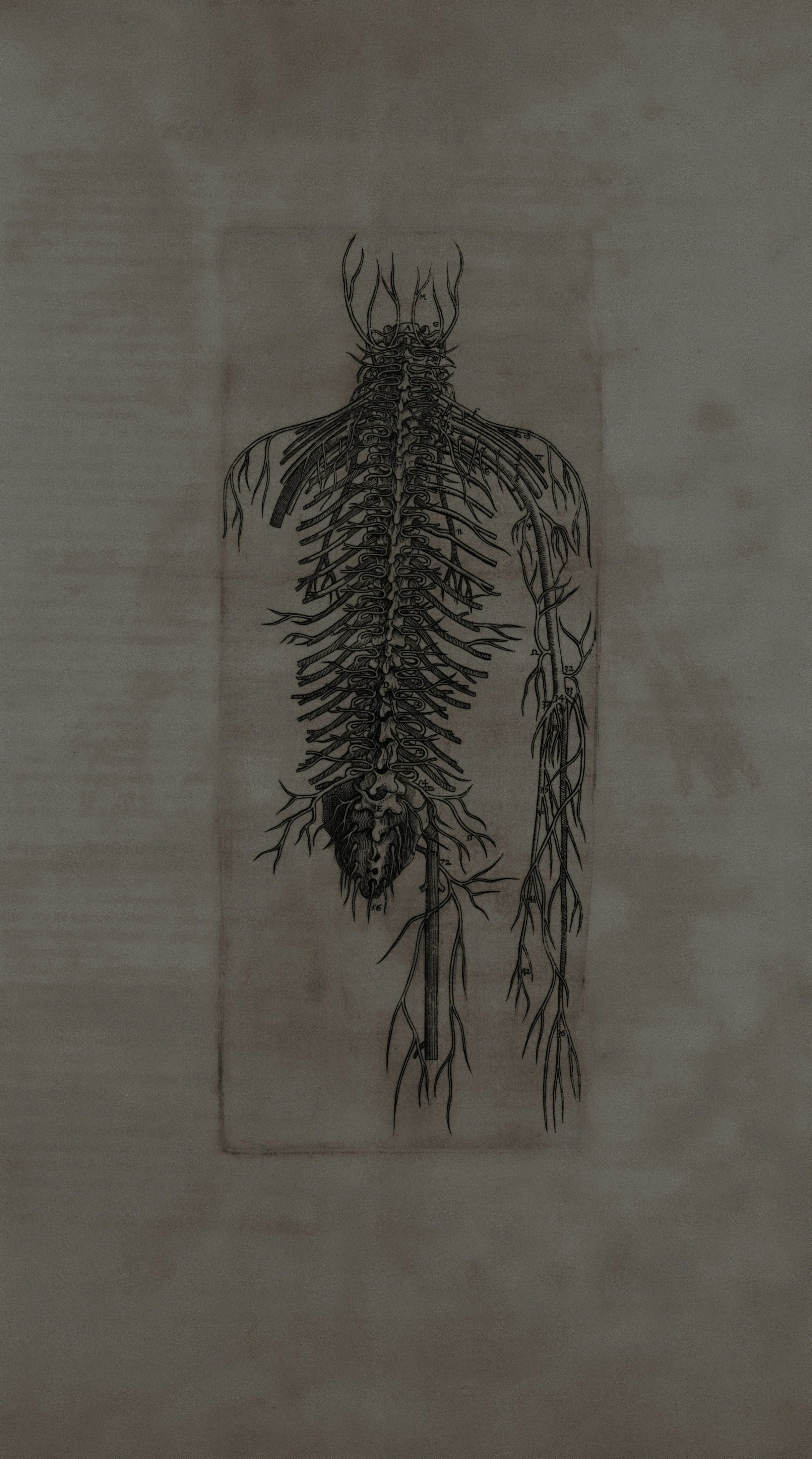
THE MISSED SOURCE
The diagnosis looks clean. The protocol is appropriate. Three sessions in, you start to question your diagnosis. The patient starts to question you. And somewhere around session four, you finally catch it. The source was always the neck.
THE LOADING DEAD
Facet referral mimics mechanical shoulder pain. Discogenic referral reproduces the deep, diffuse ache your patient swears is in the shoulder. Neural mechanosensitivity from the costoclavicular space presents as shoulder weakness that no amount of rotator cuff loading seems to touch. Rotator cuff pathology refers pain down the arm in patterns that look cervical until you examine both. Each one gets missed when the examination stops at one region.
THE SENSITIZED SHOULDER
The overhead athlete whose symptoms stopped following a predictable mechanical pattern. Progressive loading provokes more than it should, and backing off doesn't reset anything. The nervous system is driving the presentation and you can't load your way out of it until you understand what's feeding it.
The cervical spine and shoulder complex are interdependent. You cannot examine one without integrating the other.
Most courses treat them as separate regions. They are not.
Comprehensiveness here isn’t a selling point. It’s a clinical requirement.
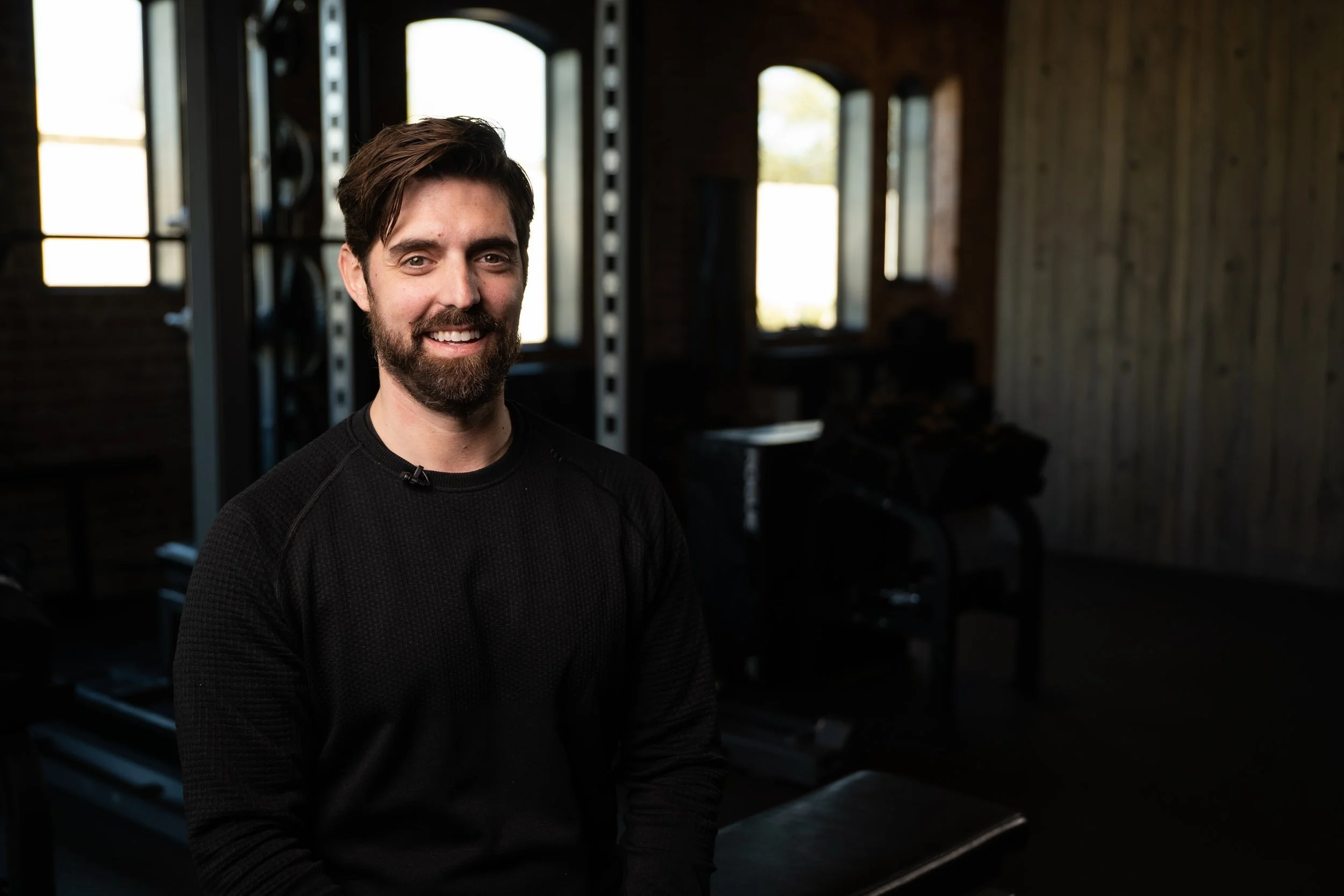
Jess Elis
PT, DPT, PhD, FAAOMPT, OCS, SCS, COMT, CSCS
Your instructor
Jess Elis has held executive medical leadership positions with two NBA organizations, the New York Knicks and the Portland Trail Blazers, following fellowship training in orthopedic manual therapy and his work at EXOS. He holds a PhD in the bioethics of wearable technology in professional sport.
That depth didn't come from a textbook. It came from almost leaving the profession before any of it happened.
What changes after two days.
01
Identify whether you're treating a shoulder problem or a cervical problem from session one.
Not after three visits of minimal progress. A systematic framework for ruling in and ruling out cervical contribution before you ever load the glenohumeral joint.
02
When standard rotator cuff protocols plateau, you'll know what to look for upstream. Neural mechanosensitivity, cervical motor control, and costoclavicular space dynamics. Each with a clinical entry point.
Manage the overhead athlete whose shoulder isn't responding to shoulder treatment.
03
Every intervention tied to a diagnosis. You'll understand humeral head centration, scapular vector changes, and the load types the rotator cuff is managing so your treatment has a mechanical rationale behind it.
Select manual therapy and exercise based on the pathomechanics driving the presentation.
04
Make return to sport decisions for the overhead athlete with criteria, not instinct.
Force testing, quadrant position tolerance, rotational motion assessment, and a clear framework for when the system is ready to return to the demands that broke it down.
Trusted by organizations across the country




Two days on the floor, built on 3+ hours of required online pre-work.
The shoulder work on day one and the cervical spine work on day two aren't separate. The integration of both complexes runs throughout the entire weekend by design.
Before you arrive · online pre-work ~3.25 hours
Four modules ·
REASONING. STRUCTURE. FUNCTION. SPORT
Day 1 — Biomechanics, examination, and manual therapy
-
Static versus dynamic stability, the envelope of function, and how joint position changes every load calculation you make.
-
Humeral head centration, compressive versus tensile versus shear load, and why secondary shearing forces emerge when orientation is biased.
-
How cervical spine mechanics influence upper trap and rhomboid function, vector angles to the cuff, and what the anatomical environment is telling you before you test a movement.
-
A clinical and evidence-based conversation about rotator cuff tendinopathy, failed healing response, and why the diagnosis most patients receive doesn’t match the histology.
-
Postural assessment for the overhead athlete, total arc of rotational motion, pathological GIRD, stability testing, and quadrant position assessment.
-
Symptom modification as a diagnostic tool, then rotator cuff soft tissue mobilization, joint mobilizations, and cervical spine techniques in sequence.
-
Cloward sign, facet referral patterns, regional interdependence, neurogenic influence on shoulder pain, and cervical demands specific to the throwing athlete.
-
How scapular position changes neural clearance, 1st rib test item cluster, and what adverse neural tension actually means beyond the word tightness.
-
HHD setup for the shoulder, rotator cuff endurance testing, and the full isometric spectrum with the TUT, joint angle, and moment arm organizing principle.
Day 2 — Strengthening, training, and return to sport
-
Sidelying ER centration, Americana and Kimura-positioned MRE, scapular facilitation in the throwing motion, late cocking traction, and release point approximation.
-
From 90/90 isometric holds through end-range dynamic stability. Load tolerance built at positions that matter for the overhead athlete.
-
Advanced loading blending prolonged isometric tension with slow controlled isotonic movement. Fatigue demand, centration requirements, and clinical application.
-
Maintaining humeral head control under force at or near end-range. Ideal for labral pathology, hypermobility, and the shoulder that feels unstable but tests strong.
-
Intensive versus extensive variations for the overhead athlete across a rehabilitation continuum.
-
Criteria-based decision making for the overhead athlete. Force benchmarks, motion standards, and the reasoning framework for knowing when the system is ready.
What Clinicians Are Saying

Format and Pricing
FAQ
-
We have clinicians from every stage of their careers attend our courses, from new graduates to practitioners with 20+ years of experience. They often walk away with different takeaways, but they all find value in the discussions.
The course isn't built around how many years you've practiced. It's designed to strengthen your clinical reasoning and help you think more deeply about the decisions you make with patients. As long as you're curious, willing to ask questions, and open to challenging your current thinking, you'll fit right in.
If you're looking for a checklist of techniques or protocols, this probably isn't the right course. But if you're the type of clinician who constantly asks "Why?" and wants to become more confident reasoning through complex cases, you'll feel right at home.
-
Most continuing education teaches what to do.
We spend more time exploring why.
Rather than memorizing techniques or following protocols, you'll learn a framework for connecting anatomy, biomechanics, tissue adaptation, movement, and patient presentation into meaningful clinical decisions.
Our goal isn't to give you more information.
It's to help you think differently.
-
Absolutely. We love having clinicians from different backgrounds in the course.
While examples and discussions are often presented through a physical therapy lens, the principles of clinical reasoning, movement assessment, tissue adaptation, and rehabilitation apply across professions. If you're passionate about becoming a better clinician and enjoy asking why, you'll fit right in.
Formal CEU approval is currently available for licensed physical therapists in approved states. Attendees from other professions may be able to receive credit by independently submitting the course to their certifying or licensing organization. We're happy to provide the supporting documentation needed for that process.
-
Yes, but not in the way that term is often used.
Every recommendation is informed by current research, clinical experience, and the realities of treating patients in the clinic. We discuss where the evidence is strong, where it's evolving, and where thoughtful clinical reasoning becomes most important.
The goal isn't to chase the newest study.
It's to help you make better decisions when the evidence isn't perfectly clear.
-
Absolutely.
You can download the complete course schedule to see exactly what topics are covered throughout the weekend.
-
Yes.
If you'd like to know exactly what you'll learn, we've included the course objectives, which outline the educational goals and learning outcomes for the weekend.
-
You'll immediately receive a confirmation email and access to the course through Teachable.
Two weeks before the course, you'll receive access to the pre-course material. We intentionally release it close to the event so the concepts are fresh in your mind. This allows us to maximize our time together by focusing less on foundational information and more on meaningful discussion, clinical reasoning, and practical application.
As the course approaches, we'll also send venue details, reminders, and everything you'll need to arrive prepared for the weekend.
-
CEU approved for licensed physical therapists.
ATCs, DCs, and PTAs are welcome to attend though formal CEU credit is not available for those disciplines at this time.
-
Rehab Code submits for continuing education approval in the state where each course is hosted. Depending on your state's licensing requirements, you may also be able to receive credit through reciprocity or by independently submitting the course. We're happy to provide any documentation you need.
-
Definitely.
Many clinics choose to attend together because it creates a shared clinical language across the staff. When everyone approaches evaluation and treatment using similar reasoning, collaboration becomes easier long after the course ends.
If you're interested in registering a group, we'd love to help. Reach out to us and we'll walk you through the options.
Email support@therehabcode.com to discuss group registration.
-
Due to limited seating and advance planning required for each course, registrations are non-refundable.
If something unexpected comes up, please contact us as soon as possible. While we can't guarantee transfers, we'll always do our best to help find a reasonable solution.