
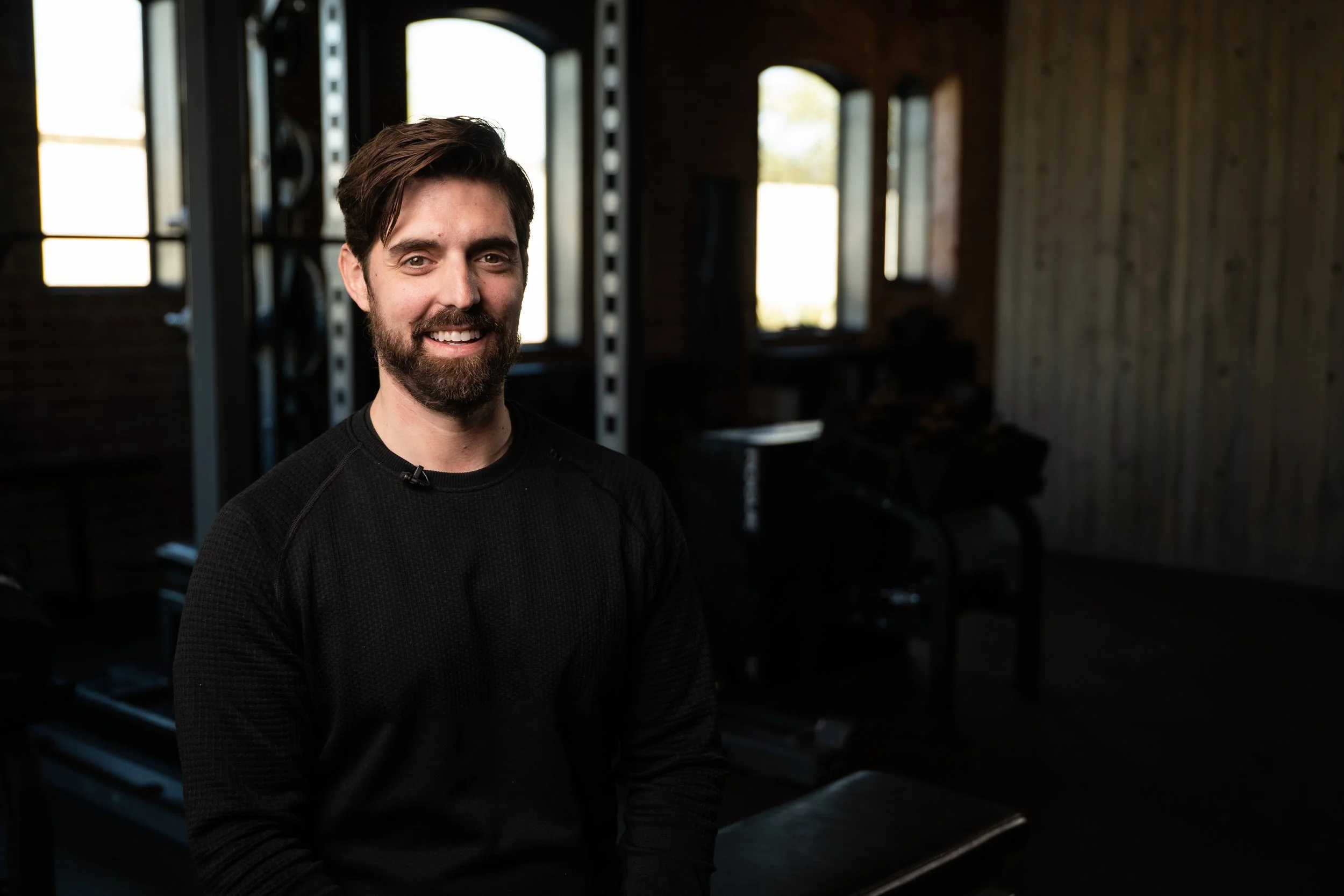
ABOUT JESS ELIS
I almost left this
profession.
I'm glad I didn't. But it was closer than most people know.
Jess Elis built his career one level at a time: fellowship training in orthopedic manual therapy, executive medical leadership with two NBA organizations, the New York Knicks and the Portland Trail Blazers, and a PhD in the bioethics of wearable technology in professional sport. Along the way, he has mentored more than 100 clinicians through Rehab Code.
PT, DPT, PhD
FAAOMPT · OCS · SCS · COMT · CSCS
2
NBA organizations
100+
17+
years elite sport
clinicians mentored
Knowing how this started is the clearest way to understand where Rehab Code is headed. It begins at a breaking point, three years in.

THE CEILING
Early in my career I was seeing more patients than I could actually serve. The volume was high, the guidance was thin, and the outcomes reflected it. PT techs were doing work that should never have been delegated. I relied heavily on them just to get through the work day. The professional model I had committed myself to had failed me.
I began exploring medical school in earnest. If this was the trajectory of physical therapy, it was not one I was willing to accept.
The model I had entered into had made its priorities clear. Volume over guidance. That was not the standard I had committed to upholding.
I made myself a promise. If I was going to stay in PT, I wasn't going to accept the ceiling. Fellowship. A PhD. Whatever it took to find out what this profession was actually capable of.
More patients.
Worse outcomes.
THE BREAKTHROUGH
everything changed.
One mentor.
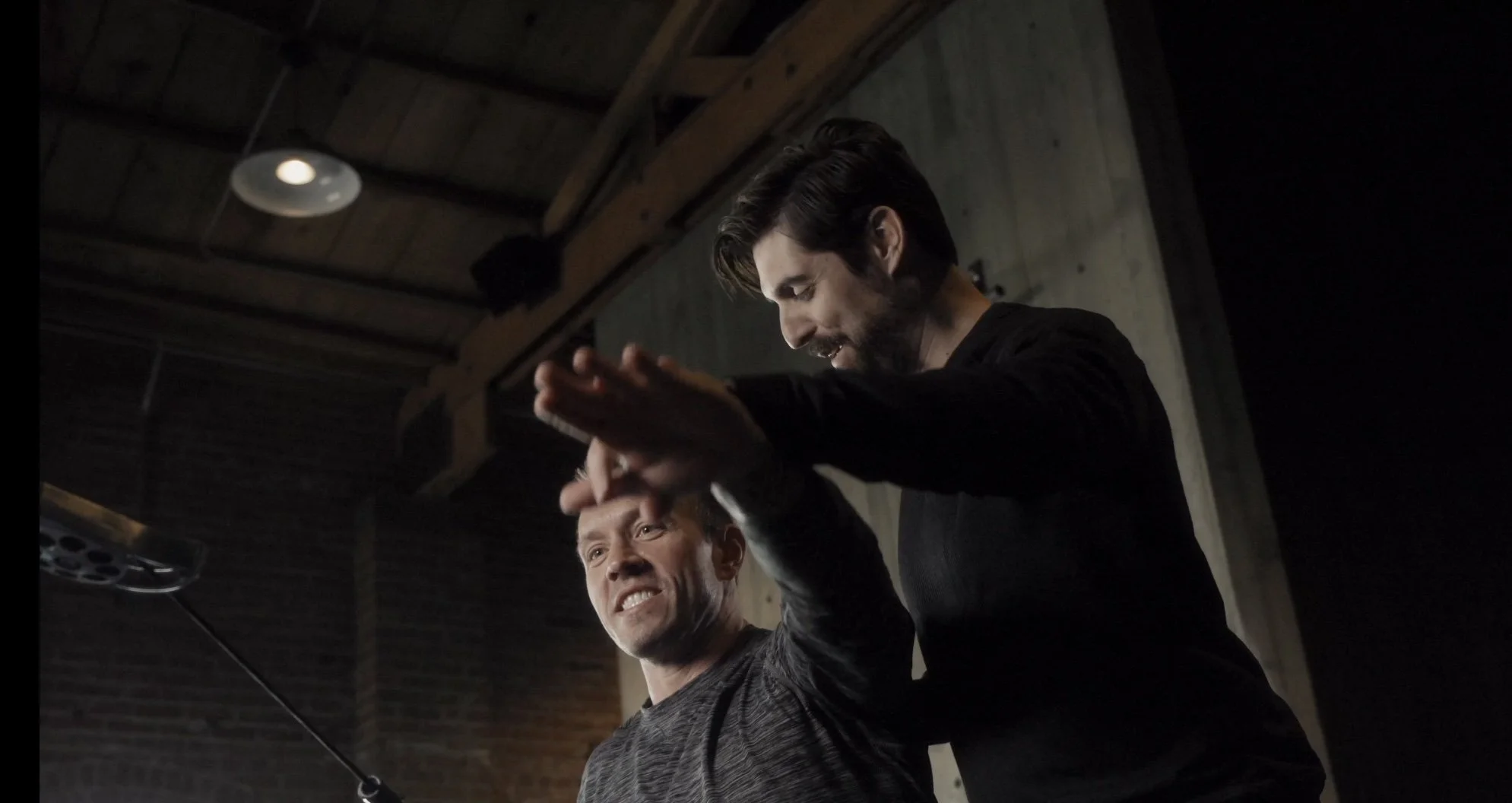
Before fellowship, before any of the credentials that came after, there was a mentor. A veteran clinician. Low profile. Mastery-level care because that was what he focused on. The kind of clinician most people never get access to.
He happened to be a major teacher in the fellowship program. Which meant I wasn't just learning a clinical reasoning framework. I was watching someone who had already built that framework use it in real time, on real patients, in front of me.
That combination, learning the framework while watching someone live inside it, is what made the experience different.
Ask better questions. Failure and refinement were expected. Being wrong was just the next data point.
I learned how to think deeper.
THE RETURN
I’VE DONE IT.
NOW I WANT TO GIVE IT BACK.
I understand burnout. I understand the drive to want more and not know how to get there. I understand what it feels like to be technically capable but intellectually stuck.
I built Rehab Code because the education I needed didn't exist when I needed it. The courses and mentorship programs here aren't built around what looks good on social media with zero depth. They're built around the questions I was actually asking, and the thinking frameworks that finally answered them.
WHERE TO START
The live courses are built for clinicians who want sharper reasoning, with the depth that honors both structure and function. The answer lives in the retest.
sharpen one skill
Mentorship is built for the clinician who is competent and progressing, but feels the plateau setting in. Each session is shaped around your needs, addressing both personal development and clinical advancement.